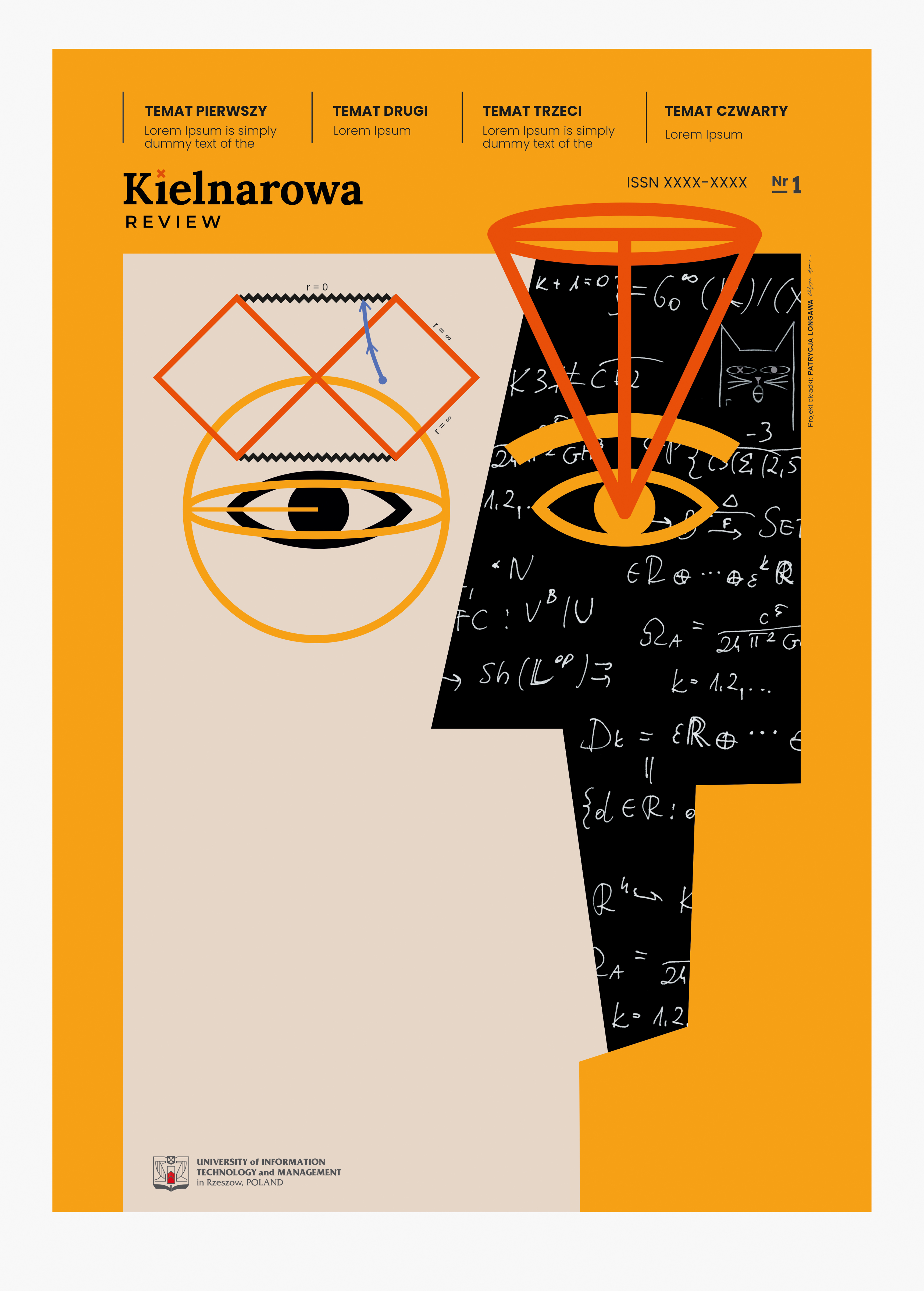
The Architecture of Relativistic Space-Time: A Critical Review
DOI:
https://doi.org/10.57656/kr-2025-0001Keywords:
space-time, causality, time, general relativityAbstract
In this critical review, we try to extract from the rich space-time architecture those aspects that are responsible for time and causality. We start with a short review of some attempts to axiomatise the theory of relativity. We focus on the classical approach by Ehlers, Pirani and Schild. While not uncontroversial, it shows — from a quasi-operational perspective — the relations between various space-time substructures. Then we analyse temporal and causal threads in the fabric of the contemporary space-time theory. The so-called causal structure of space-time, nowadays elaborated in great detail, has entered into relativistic physics as a part of its theoretical tool-kit, and can be regarded as complementary with respect to the method of axiomatisation. We argue that a local time flow and an elementary concept of causality are a necessary minimum upon which further richer and richer space-time substructures are built. Our philosophical message is that the relativistic model supports neither the attempts à la Hume to reduce causality to time order, nor the endeavours à la Leibniz to derive time from causal order. Instead, the theory of relativity pictures space-time as a rich edifice which, when looked upon from various angles, displays different logical patterns of its superstructure.